
Hazard Trees in Central Colorado: When It’s Time to Call a Professional
In Central Colorado, trees take a beating.
Between heavy snow, strong winds, dry soil, and high elevation, it’s common for trees in Salida, Buena Vista, Leadville, and Fairplay to develop structural issues over time. Most of the time, these problems aren’t obvious at first — until something fails.
That’s where hazard trees come in.
A hazard tree is any tree that has the potential to fall or drop limbs in a way that could damage your home, property, or put people at risk. Across Chaffee, Lake, and Park Counties, we see this more often than people expect — especially after long winters or heavy snow years.
How can I tell if a tree is dangerous?
Sometimes it’s obvious — a large dead branch hanging over your driveway, or a tree leaning more than it used to.
Other times, the signs are easier to miss.
You might notice a crack forming along the trunk, bark starting to peel away, or the top of the tree no longer producing leaves. The base of the tree may show signs of decay or feel softer than solid wood should. The ground around it may look disturbed or slightly raised after snowmelt.
These changes matter because they can point to structural weakness inside the tree. Even if the outside looks fine, the inside may not be strong enough to handle wind or storms.
We often see this in Leadville and Fairplay after heavy snow seasons, where weight builds up slowly and weakens branches over time. In Salida and Buena Vista, strong spring winds can expose those weak points quickly.
Why hazard trees are a concern in Central Colorado
A compromised tree doesn’t always come down slowly — sometimes it happens all at once.
A branch that looked stable can break during a windy afternoon. A tree that leaned slightly all winter can shift further when the ground softens in spring.
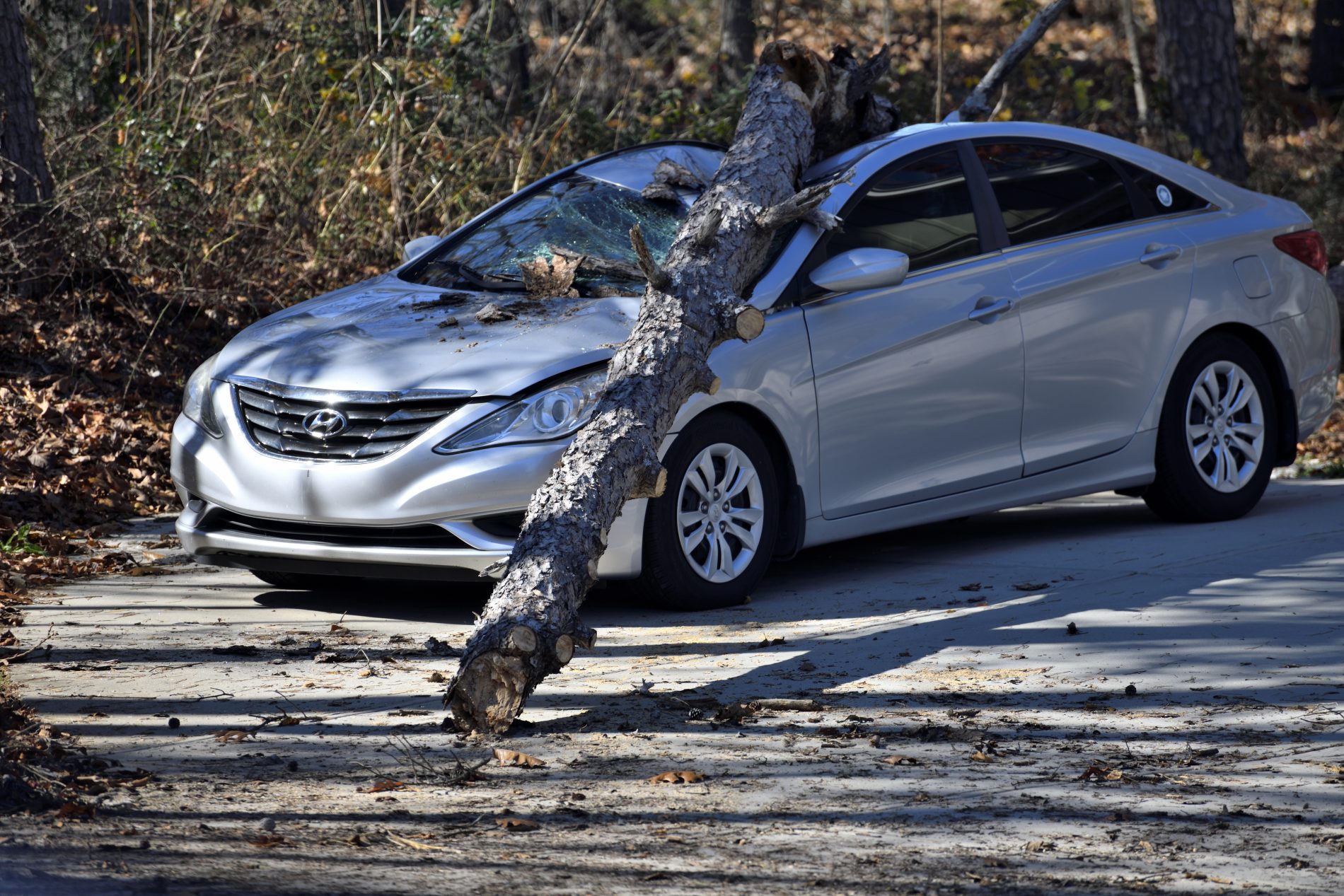
When that happens, the damage can be significant. Trees can fall onto roofs, vehicles, fences, or block access to your home.
This is why early assessment matters.
Catching a problem early often gives you more options. In many cases, a tree can be improved with pruning or thinning to reduce stress. In other situations, removing a hazardous tree before it fails is the safest and most cost-effective choice.
In some areas, especially with dense tree coverage, removing hazardous trees can also help reduce wildfire risk.
When to call a tree professional
If something feels off about a tree on your property, it’s usually worth checking.
You don’t need to be certain there’s a problem. A quick assessment can help determine whether the tree is stable or needs attention.
We often get calls in spring from homeowners who didn’t notice damage until branches started dropping or trees began leaning more than expected.
For properties across Salida, Buena Vista, Leadville, and Fairplay, this time of year is ideal for taking a closer look — especially before late spring storms move through the area.
Tree service in Salida, Buena Vista, Leadville, and Fairplay
If you’re looking for:
- hazardous tree assessment in Salida, CO
- tree removal in Buena Vista, CO
- tree service in Leadville or Lake County
- safe tree care in Fairplay or Park County
It’s best to address potential issues early in the season.
Tree service schedules in Central Colorado tend to fill up quickly in spring, especially for larger or more technical jobs.
Local tree care you can trust
At Bristlecone Tree Care, we work with homeowners across Salida, Buena Vista, Leadville, Fairplay, and throughout Chaffee, Lake, and Park Counties.
We understand how Colorado’s climate affects your trees — from dry soil conditions to wind exposure and snow load — and we tailor our recommendations to fit your property.
Not every tree needs to be removed. In many cases, the right pruning or thinning can make a big difference. But when something does pose a risk, it’s best to address it early.
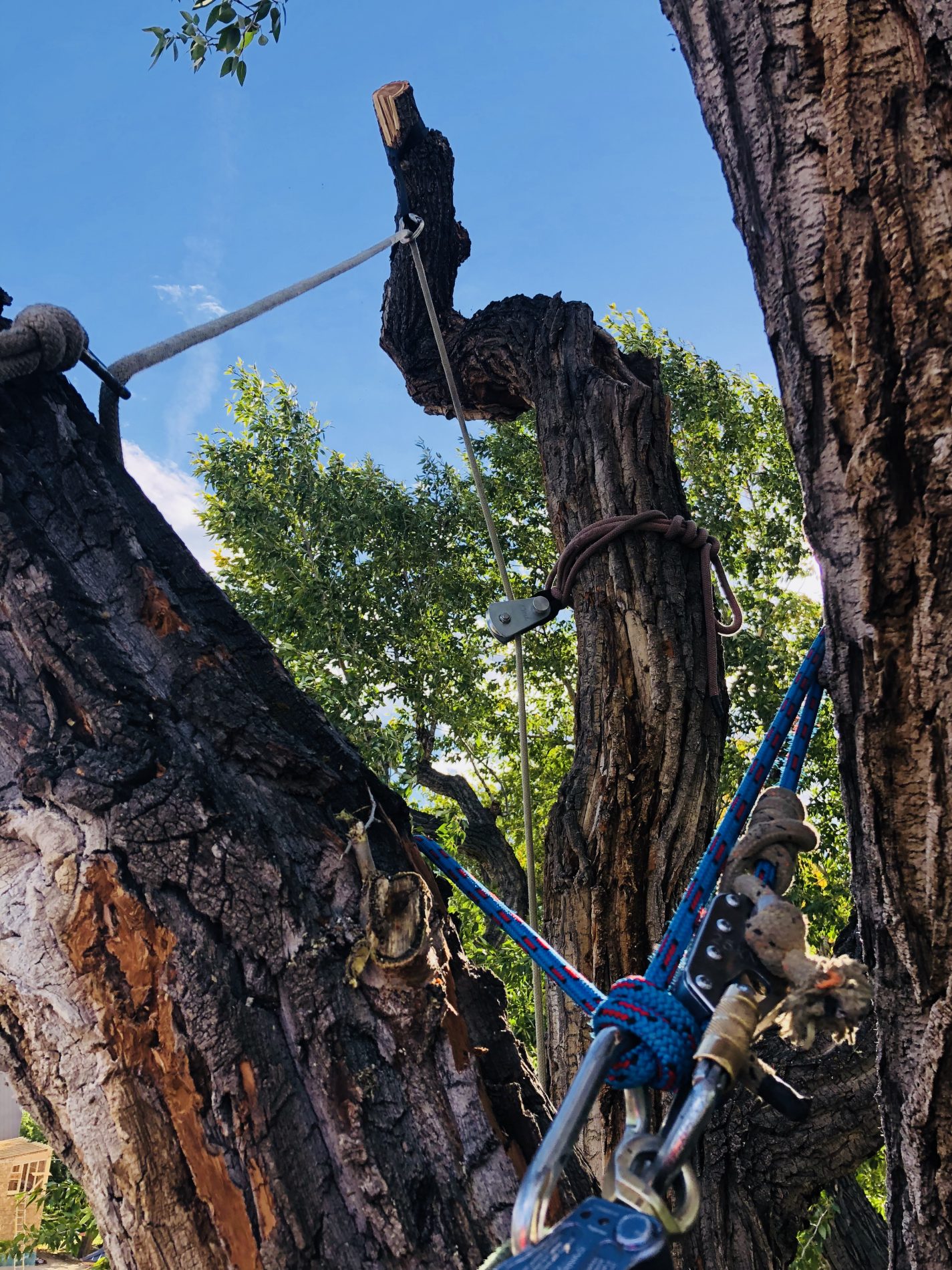
Cottonwood Removal – Poncha Springs
Schedule a tree assessment for a property in Lake, Park, or Chaffee County
If you’re unsure about a tree on your property, it’s a good time to take a closer look.
Call or text Dave directly at 970-389-3968 to schedule an assessment or talk through what you’re seeing.
We’re happy to help you make a plan that keeps your property safe.
Frequently Asked Questions About Hazard Trees in Central Colorado
How can I tell if a tree in Chaffee, Park, or Lake County is hazardous?
Look for signs like dead branches, cracks in the trunk, leaning, or soft wood at the base. These can indicate structural weakness, especially after snow or wind.
Do I need to remove a tree if it looks damaged?
Not always. Many trees can be improved with pruning or thinning. A professional can help determine whether removal is necessary.
When is the best time to check for hazardous trees in Colorado?
Spring is one of the best times, especially after winter stress. It’s easier to spot damage before full leaf growth.
Learn more about spring tree care here.
Do you offer tree service in Leadville and Lake County?
Yes. Bristlecone Tree Care works throughout Leadville and Lake County, as well as Salida, Buena Vista, and Fairplay.
Why do trees often break or fall in spring?
As temperatures rise, the ground softens and snow melts, which can affect root stability. Combined with wind and storms, this can increase the risk of failure.


No Comments
Sorry, the comment form is closed at this time.