

How Do You Keep Trees Healthy in Colorado This Fall?
5 Essential Fall Tree Care Tips for Homeowners in Salida, Buena Vista, Leadville, and Fairplay
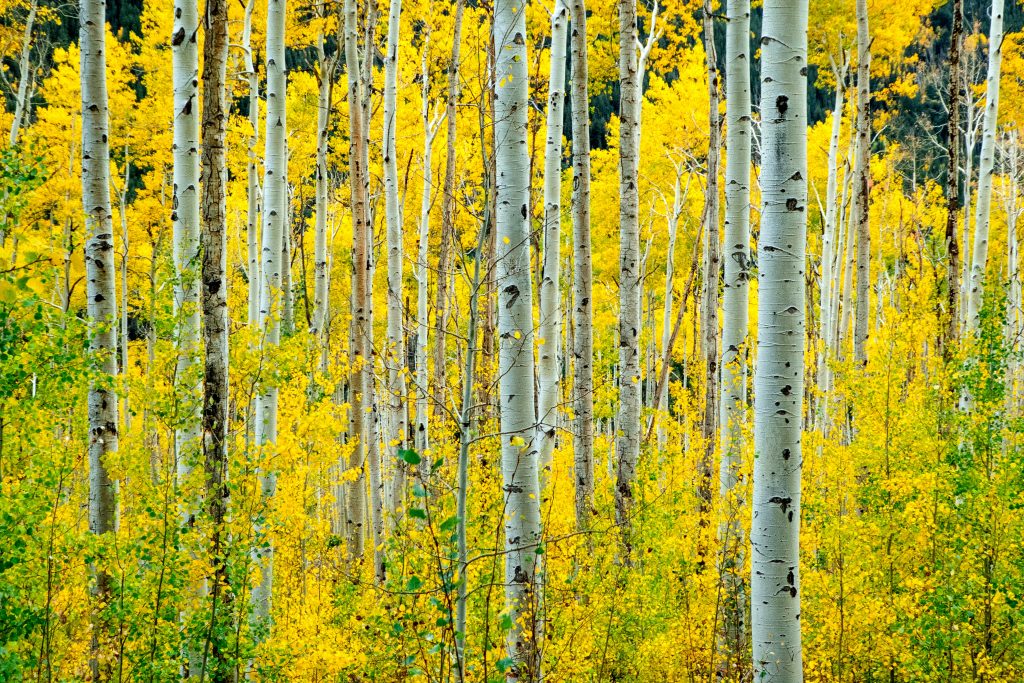
Drive up Cottonwood Pass west of Buena Vista right now and the aspens are already turning gold on the flanks of the Collegiate Peaks. Head north toward Twin Lakes, sitting higher between Buena Vista and Leadville, and the color arrived even earlier. Come back down to Salida and it stills feel like summer some days in the afternoon sun.
That’s Central Colorado in September. Fall doesn’t arrive on one schedule here, and neither does what your trees need. Here are a few things worth paying attention to right now, wherever you’re located in Chaffee, Lake, or Park County.
Growth Slows Down in Fall. Roots Don’t.
Once temperatures drop, it’s easy to assume trees need less attention. What’s actually happening is that growth above ground slows while roots stay active, especially at lower elevations where the ground takes longer to cool.
That’s important to remember this time of year.
Keep Watering When It’s Dry
Cooler air doesn’t mean your trees are getting enough moisture. September and October around here can be dry with no snow yet on the ground, and that combination stresses roots even though the tree still looks fine above ground.
Rather than watering on a set schedule, water when conditions are dry.
Water Where the Roots Are
When you do water, aim for the area under the tree’s dripline rather than right around the trunk. That’s where the active roots are doing the work.
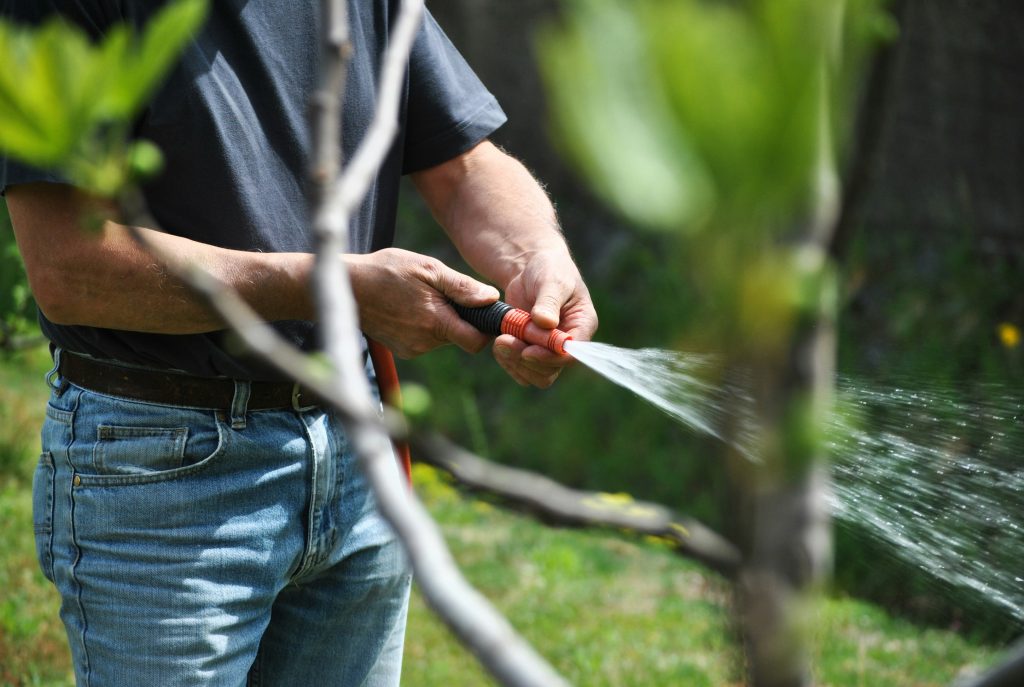
Water slow and deep. How long depends on the tree, the soil, and the day. A young tree in sandy soil soaks it up fast. A mature tree in clay soil needs more time for the water to reach the roots instead of running off. If water starts pooling or running off before it soaks in, stop, let it settle for a bit, and come back to finish.
Check Your Mulch
Mulch helps hold moisture and regulate soil temperature, but only when it’s placed correctly. Mulch piled up against the trunk traps moisture against the bark and leads to decay. Keep it a few inches back, spread evenly over the root zone.
Walk Your Property for Storm Damage
Late summer storms can leave damage that isn’t obvious right away. Before you get close to anything, check for downed power lines or branches that are broken but still hanging. Those often fall without warning.
Once it’s safe to look, watch for:
- Dead or broken limbs still in the canopy
- Cracked branches that haven’t fully broken off
- Limbs that shifted after wind or heavy rain
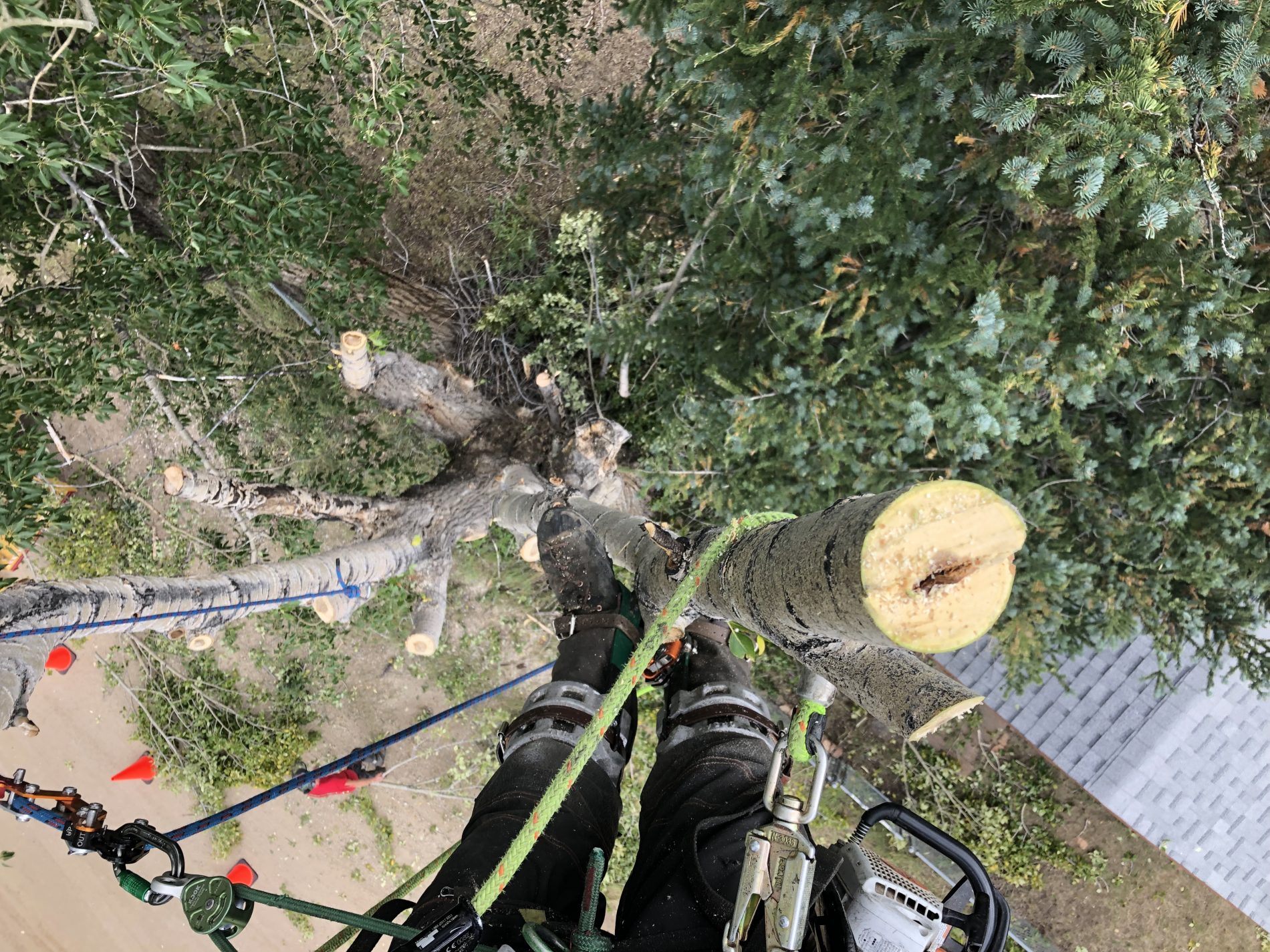
If something does need to come down, less is more. Trees usually recover well and fill back in on their own.
Know What Normal Foliage Change Looks Like in Central Colorado
This is where homeowners often worry more than they need to. Some needle drop in fall is completely normal. Evergreens shed their oldest needles every year, and it usually shows up on the older growth closer to the trunk and lower part of the tree first, not at the branch tips.
Pay attention if you see browning that starts at the tips, or that spreads evenly across the whole tree instead of just the older needles. If you notice fine sawdust at the base or resin on the trunk, that’s something to mention to your aborist too. None of that automatically means a problem, but it’s worth having someone take a look.
Pruning: Plan Now, Cut in Late Winter
Dead or damaged limbs can come down any time. That’s a safety call, not a timing call. For general pruning, late winter, usually February into March, is the better window while trees are still dormant. Cutting too early, in late summer or fall, can push new growth that doesn’t have time to harden off before the cold hits.
Fall is a good time to walk your property and flag what needs attention. Some of the work can wait for the right season. If you’re not sure what applies to your trees, that’s exactly what we’re here for.
Local Tree Care You Can Trust in Chaffee, Lake, and Park Counties
At Bristlecone Tree Care, we work with homeowners throughout Salida, Buena Vista, Leadville, Fairplay, and surrounding communities. Fall doesn’t hit this region all at once, and we help homeowners figure out what their trees need based on where they’re located.
Schedule a Tree Assessment
If you’re noticing changes in your trees this fall, call or text Dave directly at 970-389-3968.
We’re happy to take a look and help you plan ahead.
Frequently Asked Questions About Fall Tree Care in Colorado Mountain Communities
Q. Do trees need less water in the fall?
A. Not necessarily. Roots stay active into fall, and dry conditions with no snow cover stresses trees. Watch conditions, not just the temperature.
Q. Is it normal for trees to lose needles in the fall?
A. Yes, in most cases. Evergreens shed their oldest needles every year, usually starting near the trunk. Browning at the branch tips or across the whole tree is more likely to signal a problem.
Q. When should I prune my trees?
A. Dead or storm-damaged branches can come down any time. General pruning is best done in late winter, while trees are dormant.
Q. Why does mulch placement matter?
A. Mulch against the trunk traps moisture and can cause decay. A few inches back, spread evenly, does the job without the risk.
Q. Do you serve homeowners at higher elevations like Leadville and Alma?
A. Yes. Bristlecone Tree Care serves homeowners throughout Chaffee, Lake, and Park Counties, from Salida up to Leadville and Alma.


No Comments
Sorry, the comment form is closed at this time.