Are Your Trees Ready for an Early Colorado Snow?
What Homeowners in Park, Lake, & Chaffee Counties Should Check Now
Head up toward the Mosquito Range near Leadville or Alma and an early snow may already be sitting on the peaks while Salida and Buena Vista are still weeks out. Drive Trout Creek Pass between the two and watch the seasons and elevation change right in front of you.
That gap matters more than it might seem. It means the answer to “is my tree ready for winter” depends a lot on where in Chaffee, Lake, or Park County your property is located.
Why Does Early Snow Damage Trees More Than a Winter Storm?
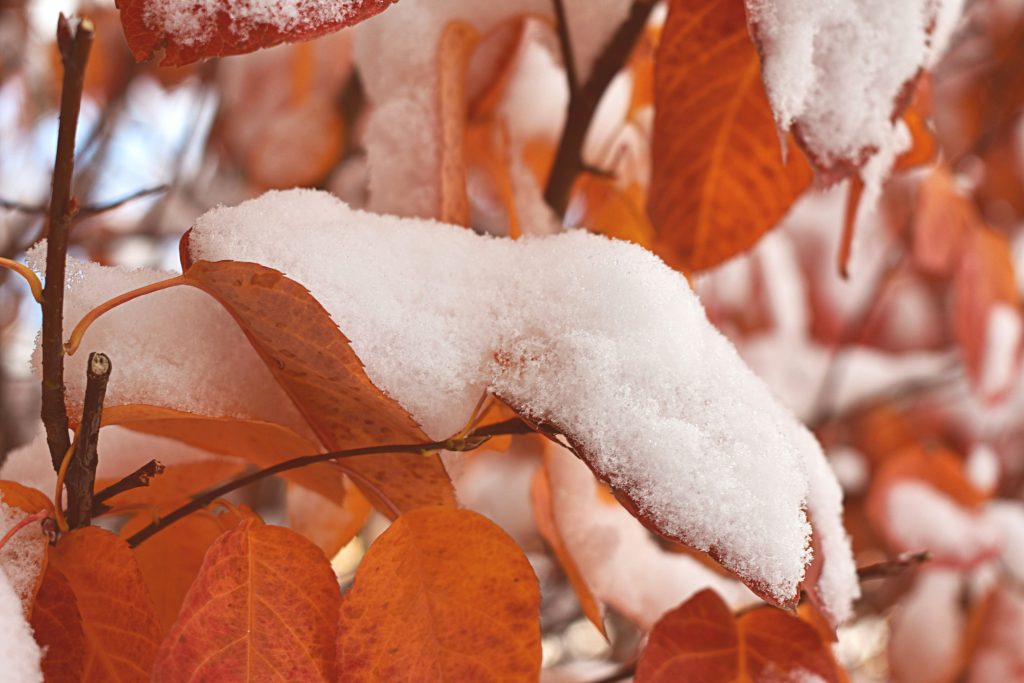
By the time real winter snow arrives, most deciduous trees have dropped their leaves. An early snow doesn’t wait for that. Trees are often still fully leafed out, and that extra surface area lets far more snow accumulate on the branches than a bare winter tree would ever hold.
The result is more weight, more strain, and more broken limbs from a storm that might otherwise look harmless.
What Should I Check Before the First Snow?
Most of this is a visual check you can do yourself, from the ground:
- Dead or weakened limbs, especially any still carrying a full set of leaves
- Branches extending over your roof, driveway, or parking area
- Cracks where a large limb connects to the trunk
- A lean that’s new, worsening, or paired with soil that looks lifted or heaved near the base
- Storm damage from earlier in the summer that was never addressed
- Branches that are unusually dense or heavy for their size
A tree can look completely healthy and still be carrying one of these risks. That’s what catches property owners off-guard.
When Does a Lean or Crack Actually Matter?
Not every leaning tree is a problem. Some trees grow with a natural lean and hold that shape for decades without issue. What matters is whether the lean is old and stable or new and still changing.
A lean that’s recent, getting worse, or accompanied by cracked or mounded soil at the base is a sign the root system may have shifted. That’s worth a professional look before the ground freezes and access to the tree’s root system becomes more difficult.
What Should I Do If a Tree Already Has Storm Damage?
If you’re dealing with damage from an earlier storm, assess the situation before doing anything else. Check your surroundings for downed power lines or branches caught in the canopy before getting close.
As a general guide, a tree that’s still healthy overall, still has a tall, strong, central stem, and has kept most of its major limbs and at least half its crown usually has a good chance of recovering fully. Removing more than necessary can do more harm than the original damage.
Does Elevation Really Change the Timeline?
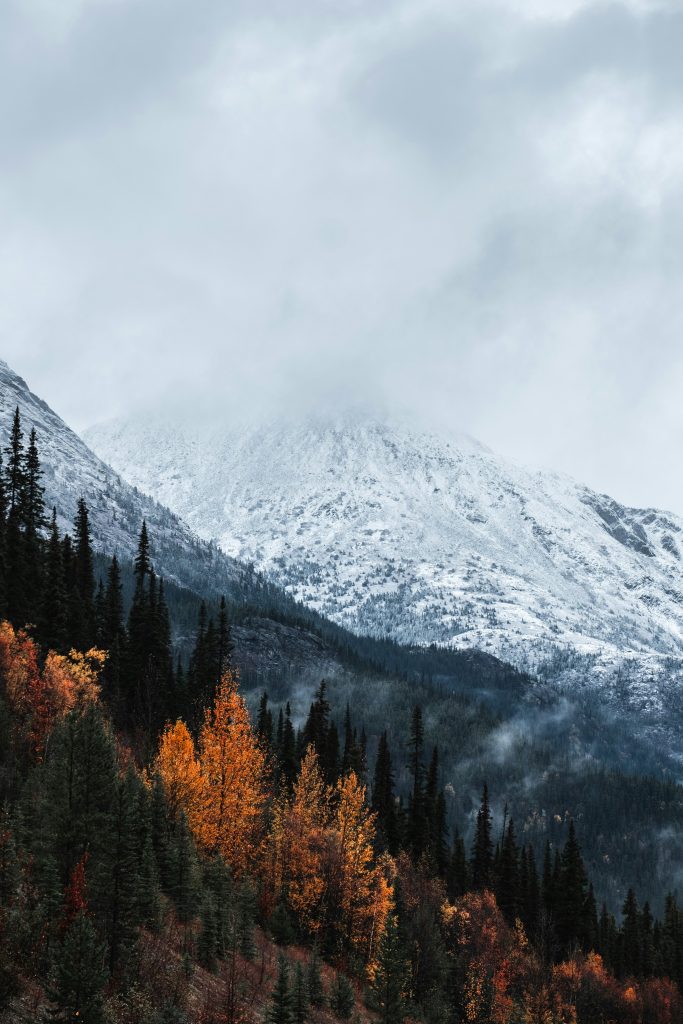
Yes, meaningfully. Properties around Salida and Buena Vista tend to have a longer, more gradual fall, with the growing season stretching out later into the year. Head up toward Leadville, Alma, or high in the Collegiate Peaks, and that window closes faster.
It’s not unusual for higher-elevation properties to see their first real snow while lower-elevation properties are still weeks away. If you’re not sure which category your property falls into, that’s a reasonable thing to ask about.
Local Central Colorado Tree Care You Can Trust
At Bristlecone Tree Care, we work with homeowners throughout Salida, Buena Vista, Leadville, Fairplay, and surrounding communities in Chaffee, Lake, and Park Counties. We know an early snow doesn’t hit every property the same way, and we help homeowners figure out what to watch for based on where they live.
Schedule a Tree Assessment
If you want a second opinion before the first snow, call or text Dave directly at 970-389-3968.
We’re happy to take a look and help you make a plan.
Frequently Asked Questions About Early Snow and Tree Damage
Q. Why does early snow cause more tree damage than winter snow?
A. Trees are often still fully leafed out when early snow falls, and the extra surface area holds significantly more snow weight than bare winter branches, increasing the chance of broken limbs.
Q. Is a leaning tree always a problem?
A. Not necessarily. A stable, long-standing lean is different from a lean that’s new or worsening, especially if it comes with heaved or cracked soil at the base. The change over time is what matters most.
Q. How do I know if my tree will recover from storm damage?
A. A tree that’s still healthy, still has its main leader, and has kept at least half its crown and most of its major limbs generally has a good chance of full recovery.
Q. Does elevation affect when I should prepare for snow?
A. Yes. Higher-elevation areas like Leadville and Alma typically see their first snow well before lower-elevation areas like Salida and Buena Vista.
Q. Do you serve homeowners throughout Chaffee, Lake, and Park Counties?
A. Yes. Bristlecone Tree Care works with homeowners across the region, from Salida and Buena Vista up to Leadville and Alma.


No Comments
Sorry, the comment form is closed at this time.