

How Do You Know If Your Trees Have Freeze Damage in Colorado?
What homeowners in Salida, Buena Vista, Leadville, and Fairplay should watch for, and what to leave alone
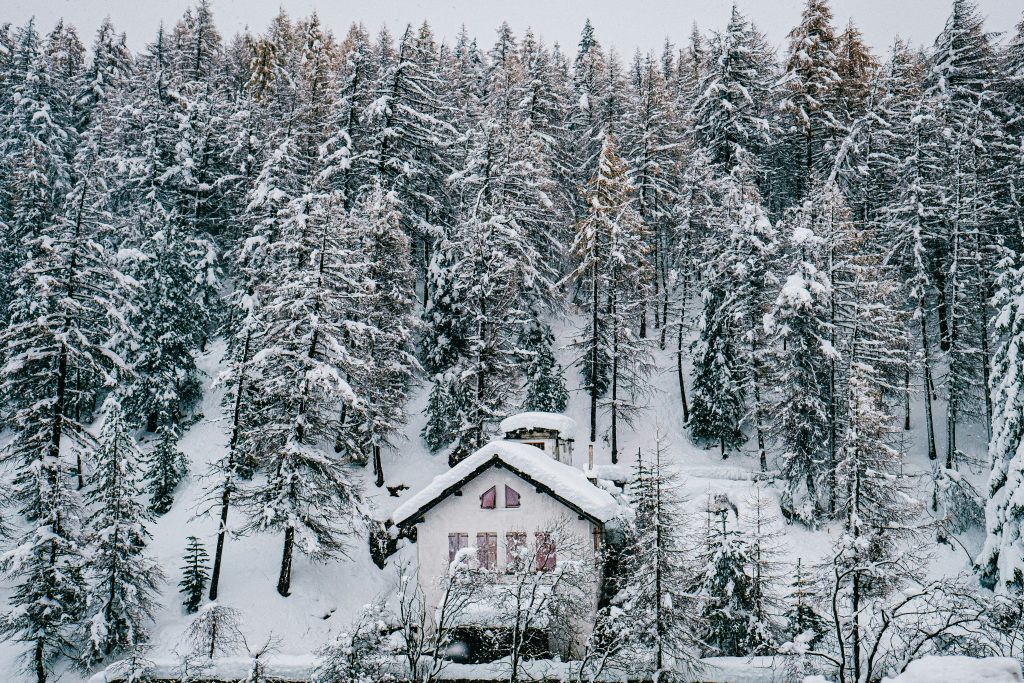
Frost usually shows up on trees and car windshields in Leadville and Alma before it reaches Salida and Buena Vista. Down in the Arkansas Valley, a warm afternoon often follow a frozen morning, and then the temperature drops again that night.
Trees feel all of it. Whether the first hard freeze has already hit your property or is still on the way, the signs to watch for are the same.
What Does Freeze Damage Look Like on Trees?
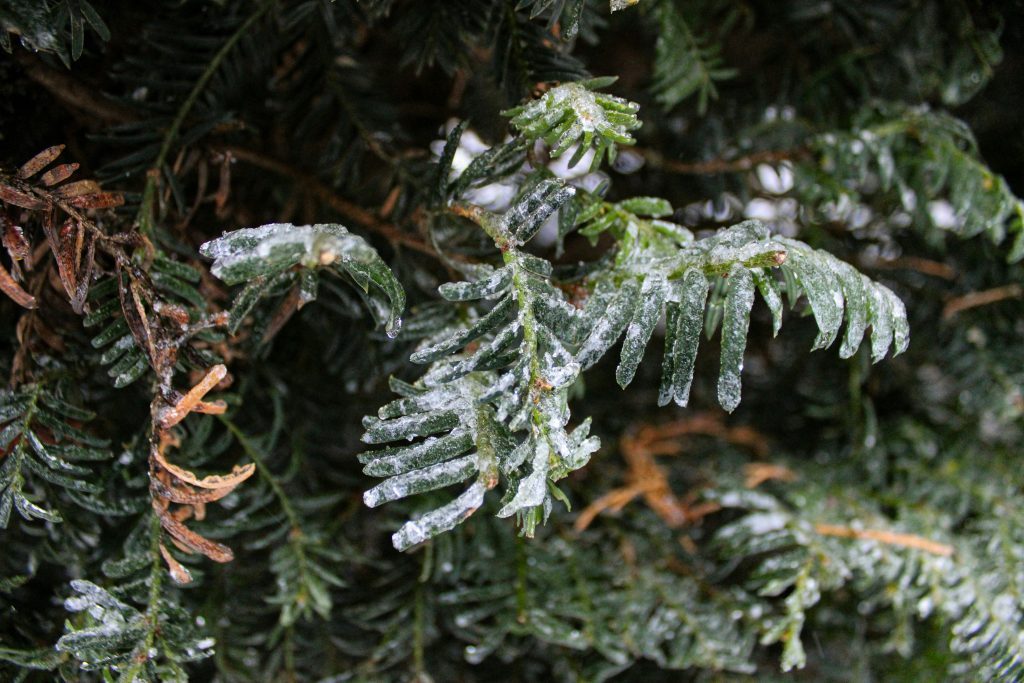
Evergreens usually show it first. Needles fade or turn red-brown, and the damage often shows up on the south-facing side of the tree. In some cases the whole tree looks faded, and ponderosa pine needles can turn an odd, pale, almost white color.
Buds sometimes get hurt too, and that’s the part you can’t see yet. Bud damage usually doesn’t show until spring, when they should be opening.
A hard freeze may also split bark vertically, especially when it’s followed by a sudden warm-up, as happens frequently in Colorado.
Why Do Some Trees Get Hit Harder Than Others?
Timing. Trees that have fully gone dormant handle cold well. Trees that are slow to shut down for the season, like hardwoods still holding green leaves, aren’t ready when a hard freeze arrives. A sudden drop from mild fall weather to a deep freeze catches them off guard.
The south-facing damage on evergreens also looks a lot like winter scorch, the dry-air damage that shows up in many Colorado winters. Often it’s hard to say which one you’re seeing, and sometimes it’s both.
Is It Freeze Damage or Pine Beetle?
Faded needles look alarming, and many homeowners assume beetles right away. It’s a fair worry, so check the trunk.
Mountain pine beetle leaves signs on the tree itself. Look for popcorn-shaped lumps of resin called pitch tubes, fine boring dust in the bark crevices or at the base, and bark flaked off by woodpeckers. When beetles are the cause, the needles typically fade across the entire crown, and that usually takes months to show.
If the trunk is clean and the damage is mostly on one side, freeze or winter scorch is more likely. If you’re not sure, have your arborist take a look. It’s important to catch beetles early.
What Should You Do After a Freeze?
Wait and see. It’s hard advice, but it works. Branches that look freeze-damaged can still leaf out in spring, and you won’t know what’s really damaged until the buds should open.
Hold off on cutting anything just because it looks bad. A broken or hanging branch, or one that was clearly dead before the freeze, is the exception. Those can come down any time.
Water when conditions allow. On a day above 40 degrees when the ground isn’t frozen, give evergreens and young trees a slow, deep drink during dry winter stretches. A common guide is about 10 gallons for every inch of trunk diameter.
Keep your mulch in place, a few inches deep and pulled back from the trunk.
Skip the sealants. If you find a crack in the bark, don’t paint it or fill it. Have an arborist take a look.
Expect some thinning. Needles that took the hit may drop next summer, and some buds may not open, so a damaged tree can look sparse for a season.
Does Elevation Change When Freeze Damage Happens?
Yes. Properties around Leadville, Alma, and Fairplay usually see their first hard freeze before Salida and Buena Vista do, so damage shows up earlier there. At lower elevations, the growing season runs longer and trees may still be green when a late freeze arrives.
Local Tree Care You Can Trust
At Bristlecone Tree Care, we work with homeowners throughout Salida, Buena Vista, Leadville, Fairplay, and surrounding communities in Chaffee, Lake, and Park Counties. Freezes don’t hit this region all at once. We help homeowners figure out what their trees need based on where they live.
Schedule a Tree Assessment
If you’re seeing changes in your trees after a freeze, call or text Dave directly at 970-389-3968. We’re happy to take a look.
Frequently Asked Questions About Freeze Damage to Trees
Q. How do I know if my tree has freeze damage?
A. Look for evergreen needles fading or turning red-brown, often on the south side, and for vertical splits in the bark. Damage to buds may not show until spring.
Q. Should I prune a tree after a freeze?
A. Wait. Branches that look freeze-damaged may still leaf out in spring. Broken, hanging, or clearly dead branches can come down any time. The sooner, the better.
Q. Is it freeze damage or pine beetle?
A. Check the trunk. Pitch tubes, boring dust, and woodpecker damage point to beetles. If you’re unsure, have an arborist look.
Q. Do trees need water after a freeze?
A. Often, yes, during dry winter stretches. Water slowly on a day above 40 degrees when the ground isn’t frozen.
Q. Do you serve homeowners at higher elevations like Leadville and Alma?
A. Yes. Bristlecone Tree Care serves homeowners throughout Chaffee, Lake, and Park Counties, from Salida up to Leadville and Alma.


No Comments
Sorry, the comment form is closed at this time.